Kandid Kush

Blog

Why I Register Every Photo

In this post

Why I Register Every Photo

One infringement case taught me the difference between owning my photos and being able to protect them. This is the story of how I learned why copyright registration matters, and what I now tell other photographers about it.

A few years after cannabis became my main subject, a new stock photo site reached out. It sold cannabis imagery only, and it invited me to be one of its early contributors. I said yes and uploaded around 300 images.

The site listed my photos at $500 each. After about a year, I had received one check for around $75. Something didn’t add up, so I formally withdrew my images in writing under the terms of my contract.

About a year later, I found several of my photos in a marketing campaign for a California dispensary. When I contacted them, they told me they had bought the images from a major stock photography site, not the one I had contributed to. I started searching and found 53 of my images for sale there. I had never uploaded a single photo to that site.

Peers referred me to an intellectual property attorney in Los Angeles. One of the first things he asked was, “You have them registered, right?”

I didn’t understand the question. I knew that the person who presses the shutter owns the copyright, unless the photo was made as an employee doing work for hire. I told him that. His answer changed how I run my business: “Unfortunately, you can’t sue for damages or legal fees. You can only go after actual license fees.”

I was devastated. This was the kind of case that could have changed my life financially, and I felt exploited by a company whose entire business is built on the work of creatives. My attorney sent a cease and desist with a demand for $10,000, and the company paid. He took $3,000. I took home $7,000, paid about 30% of it in taxes, and bought a Canon R5 with the rest.

That was an expensive lesson.

Why copyright registration matters for photographers

What I had right was that copyright is automatic. The moment you take a photo, you own it. What I didn’t know is that in the United States, owning it and being able to enforce it are two different things.

  • You need a registration to sue. For a U.S. work, you have to register with the Copyright Office before you can file an infringement lawsuit. (Copyright Office FAQ)
  • Timing decides what you can recover. Statutory damages and attorney’s fees are only available if the photo was registered before the infringement started, or within three months of first publication. (17 U.S.C. § 412)
  • Statutory damages are where the leverage is. A court can award $750 to $30,000 per work infringed, and up to $150,000 per work when the infringement is willful. (17 U.S.C. § 504(c))

Without a timely registration, you are usually left with actual damages, which for a photographer often means the license fee you would have charged. That is why my case for 53 photos settled at $10,000. With those photos registered in time, the same case could have been worth far more, and the other side would have known it.

That gap is why copyright registration for photographers isn’t optional.

It didn’t stop there

After that case, I started registering my work. It was the right call, because the infringements kept coming.

Here’s a few examples of what happens when I communicate with people about ip and ip infringement.
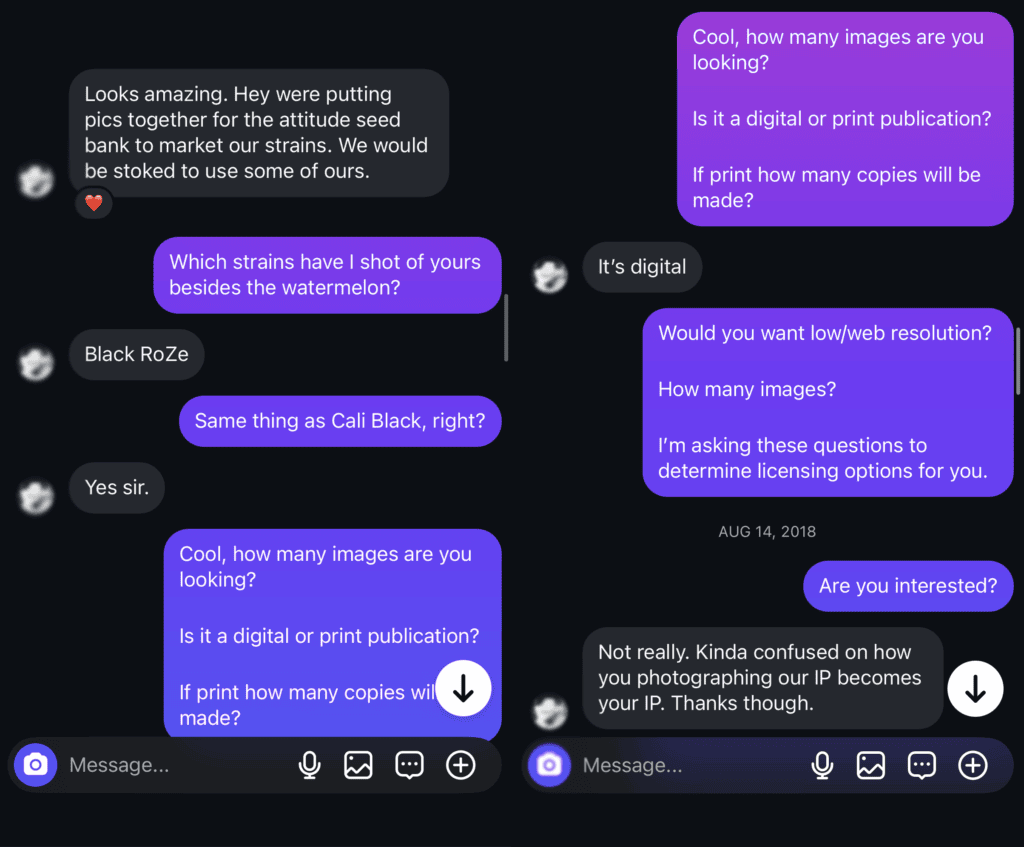
This one is a great example of simply not understanding copyright. I photographed the strains for a farm separate from the breeder. The breeder hit me up to “use my work to market their seeds for sale.”
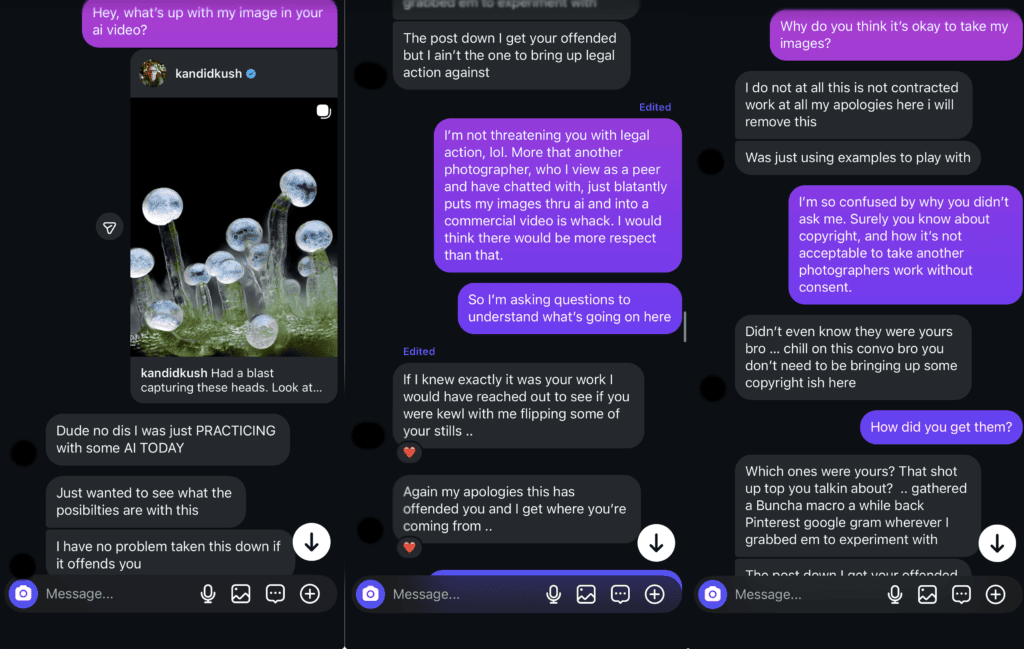

I discovered a commercially branded video on instagram with my 20x image ai’d in the intro created by a peer. 
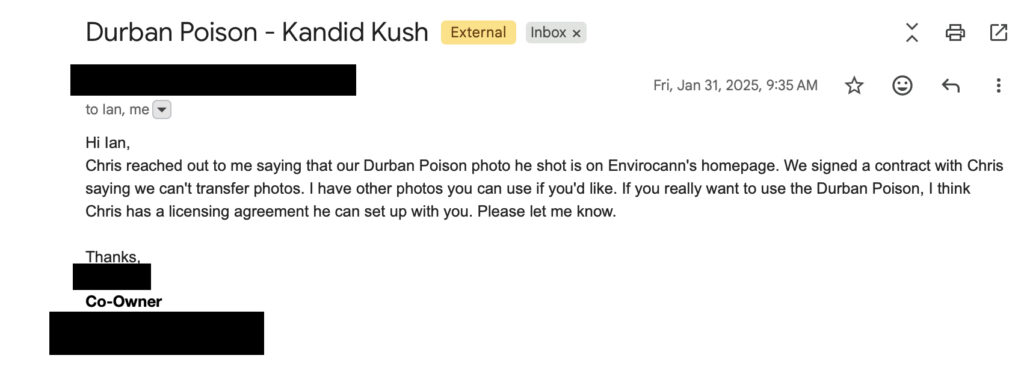
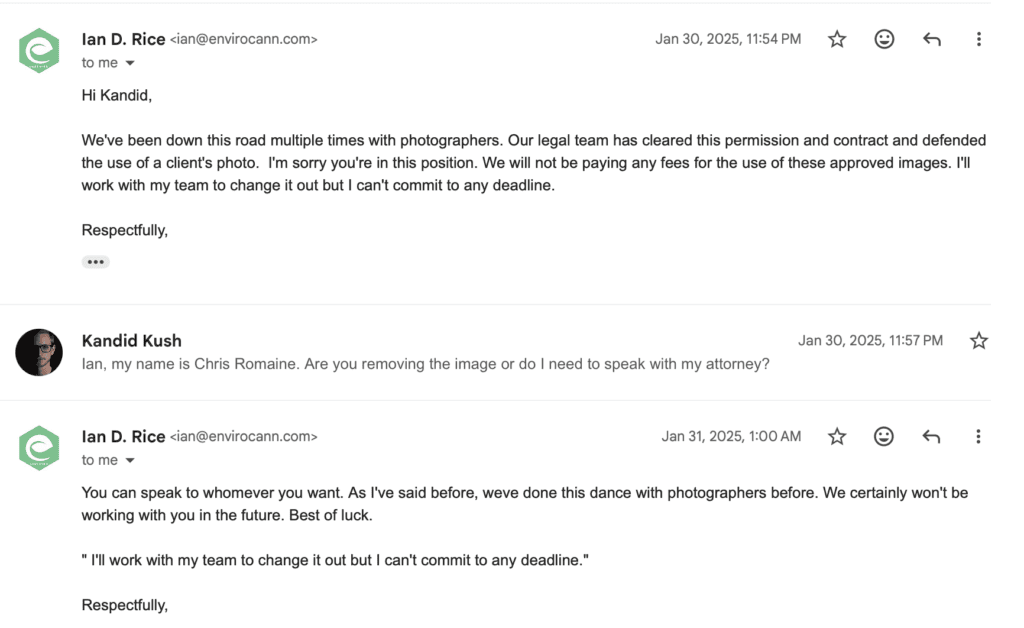
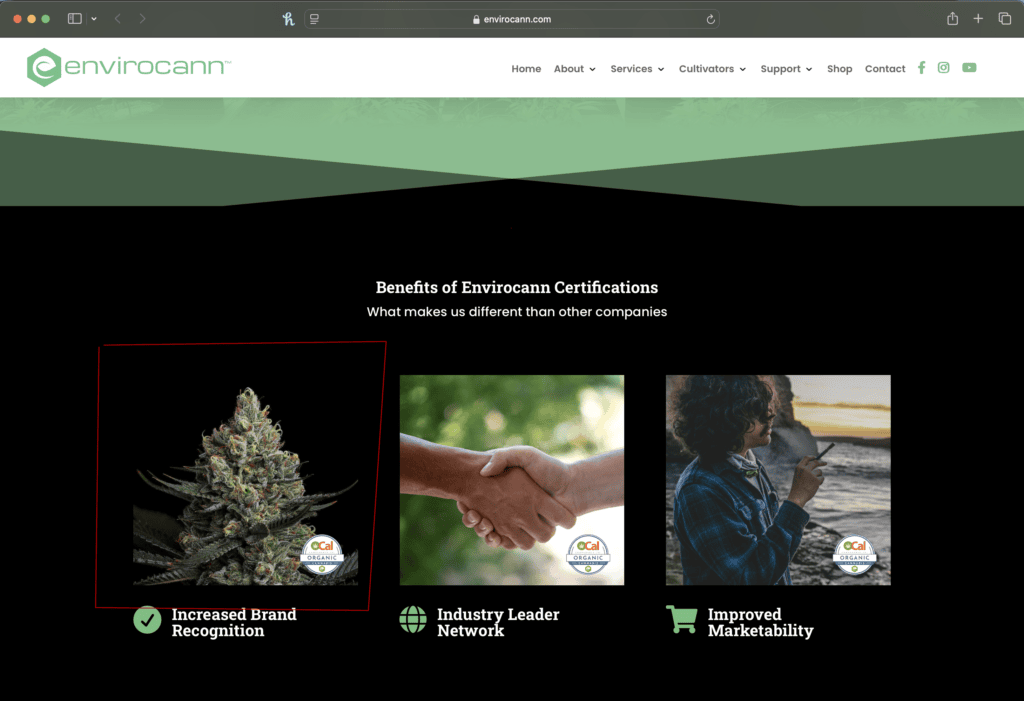
Left studio flower image is mine – No permission for use with Envirocann.
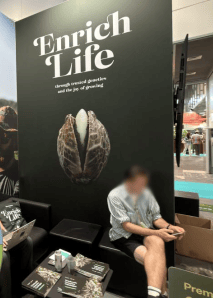
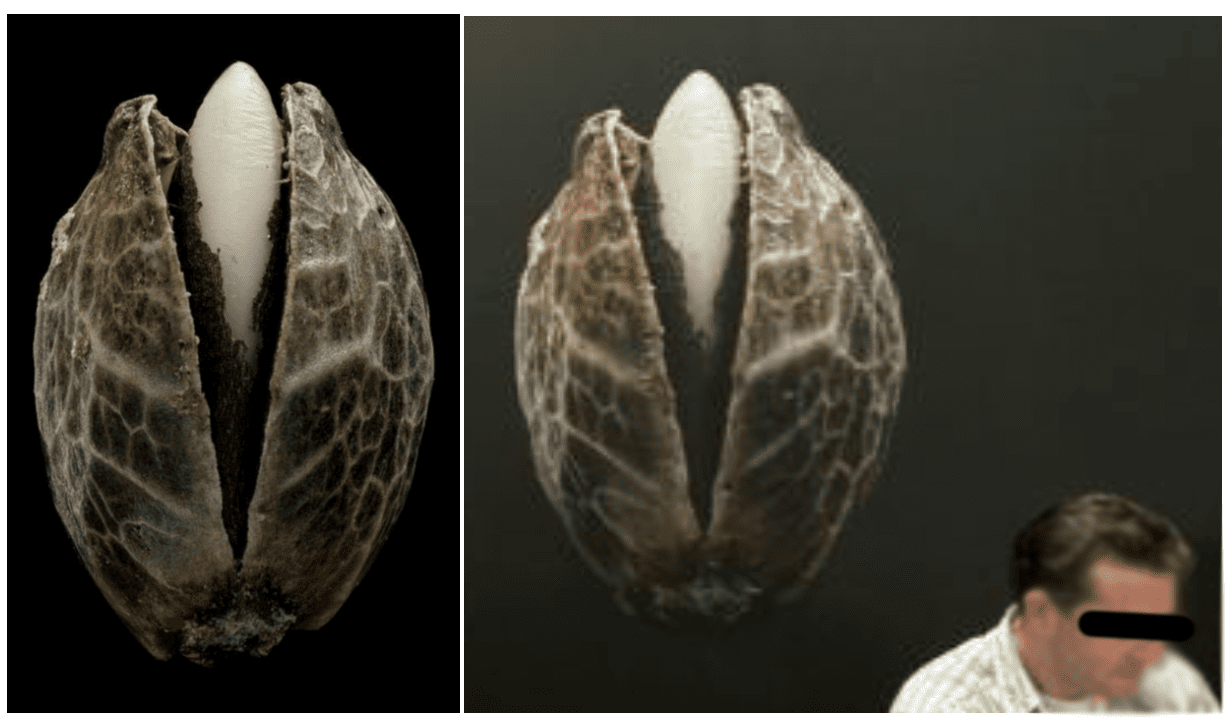
“The image in question was not sourced from, copied from, or derived from any photograph by Mr Romaine. It was created internally by a member of our team using an artificial intelligence tool. The team member used a descriptive prompt reflecting a general visual concept — a macro germination image — and believed in good faith that the resulting output was an entirely original AI-generated work. No search was conducted against Mr Romaine’s portfolio, and no deliberate or conscious reference was made to any of his photographs, including “Emergence.”
 
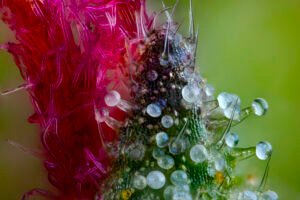
Left: Emergence, Right: Infringed image claimed as original ai – I took both images – Emergence for my NYC exhibition & iphone pic of discovery. 
 

Registration doesn’t make infringement stop, and it doesn’t make every case easy. What it does is put you in a position to be taken seriously when you push back.
Copyright registration for photographers, hundreds of photos at once

The good news is that copyright registration for photographers doesn’t have to happen one photo at a time. The Copyright Office offers group registration: up to 750 photos in one application, for one fee. Published and unpublished photos go on separate applications, and published photos in one application must all be from the same calendar year. (Circular 42)

The fee is $55 per application until November 11, 2026, and $85 starting November 12, 2026. (Copyright Office fees)

The hard part is the paperwork. Every application needs a title list on the Office’s official spreadsheet, a zip of your photos with matching file names, and titles typed into the online form in blocks by month. Getting a backlog of years of work through that by hand is where most photographers give up.

So I built a tool for my own catch up, and then made a free version for other photographers: the Photo Group Registration Helper. You add your photos, mark them published or unpublished, and it sorts them into applications that follow the rules. It fills in the official title list, makes the upload zip, and gives you the answers for each screen. You still log in, pay and submit on copyright.gov yourself. Nothing is uploaded to my site, and your photos never leave your computer.

Register before you need to

The time to register is before anyone takes your work, because by the time you find an infringement, it is usually too late to change what you can recover. If you have a backlog like I did, start with your most licensed and most shared images, and keep going a batch at a time.

I’m a photographer, not a lawyer, and this isn’t legal advice. If someone is using your work, talk to an intellectual property attorney.

Open the Photo Group Registration Helper

Sources

Picture of Chris Romaine

Chris Romaine

Creative partner to the cannabis industry, capturing the people, plant, and place of cannabis through studio, macro, and microscopic photography, video, and analog film from his studio in Nevada City, California.

Ready to Talk About Your Project?

Tell me about your brand, your product, and where the images are headed, and I'll put together a quote.
error: Content is protected !!